AI Coding Assistants Surge: Automating Software Development in 2026
Why This Matters
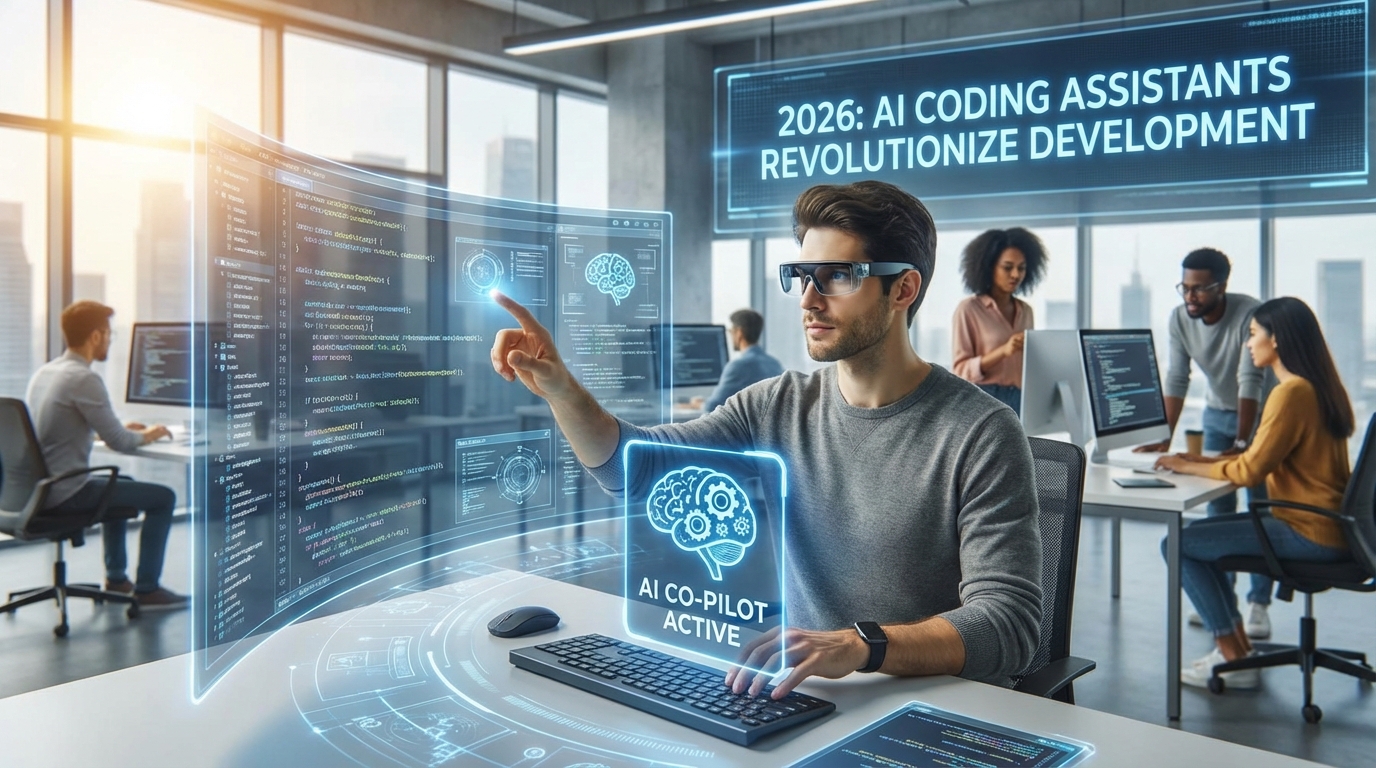
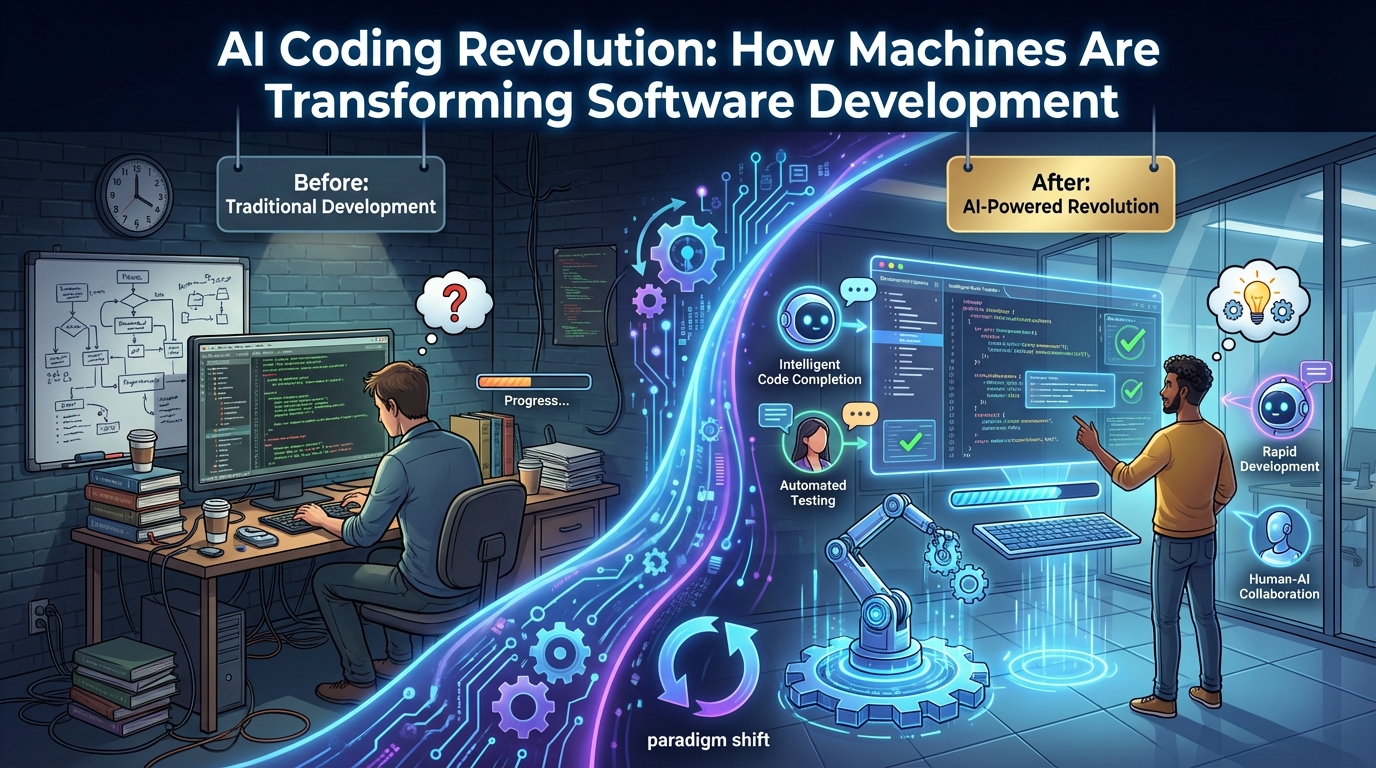
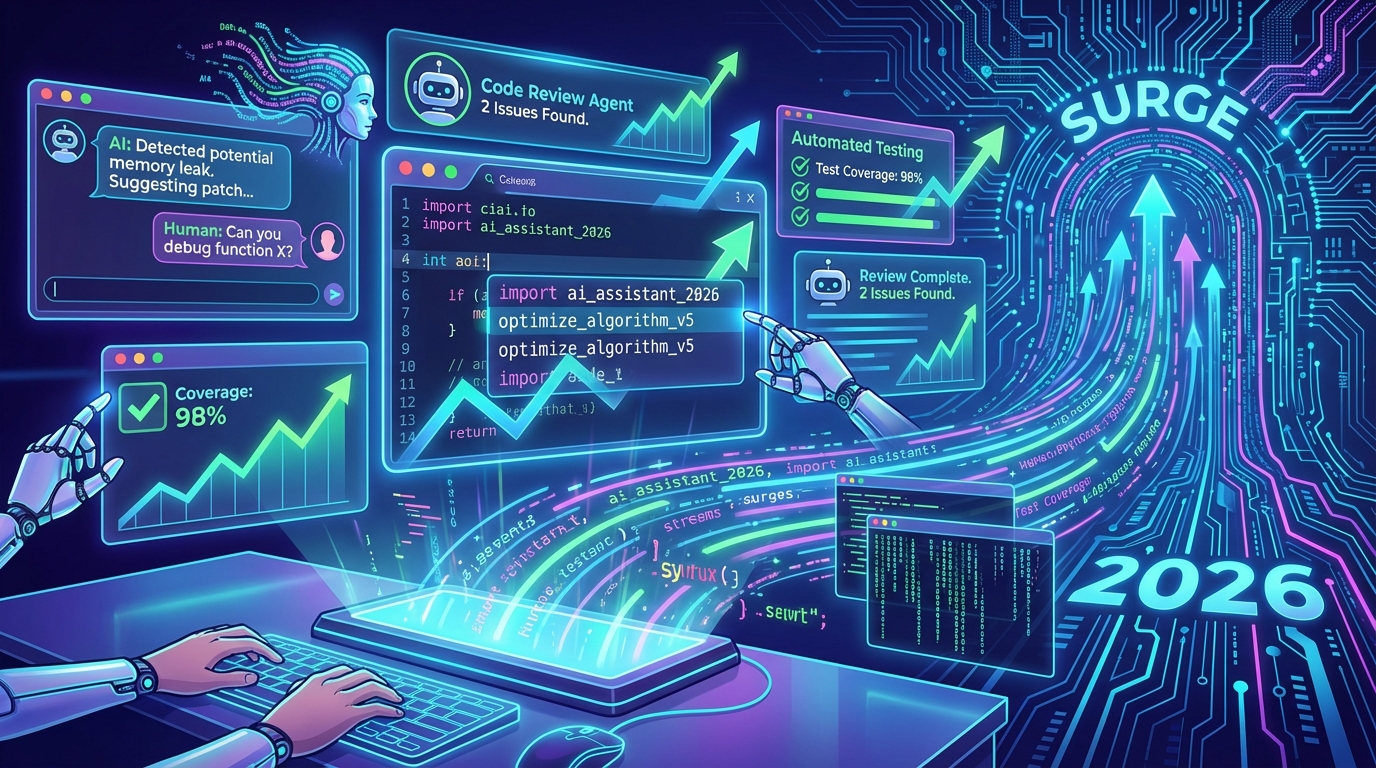
The integration of AI into software development is no longer a futuristic concept; it's a present-day reality. AI coding assistants are rapidly evolving from simple code completion tools to sophisticated agents capable of handling complex tasks, from debugging and code generation to workflow automation and even project management. This shift has profound implications for developers, businesses, and the entire software industry. Increased productivity, reduced development cycles, and the democratization of coding skills are just some of the potential benefits. However, concerns around job displacement, security vulnerabilities, and the ethical implications of AI-generated code also need careful consideration. As AI agents become more autonomous, understanding their capabilities and limitations is crucial for navigating the future of software development.
Viral AI Stories
- The Rise of the "AI-Powered Solo Developer": A growing online community celebrates developers who are leveraging AI tools to build and launch entire software projects single-handedly. Success stories abound, highlighting significant time savings and the ability to tackle projects previously considered too complex for individual developers. This trend is fueled by the increasing accessibility and sophistication of AI coding assistants.
- "AI Bug Bounty" Programs Emerge: Companies are launching bug bounty programs specifically targeting vulnerabilities in AI-generated code. This reflects a growing awareness of the potential security risks associated with relying heavily on AI for software development and a proactive approach to mitigating those risks. Security researchers are actively analyzing the code generated by AI assistants, identifying common flaws, and developing techniques to harden AI-generated code.
- The Great Debate: "Will AI Replace Programmers?" This age-old question continues to generate heated discussions online. While some argue that AI will eventually render human programmers obsolete, others maintain that AI will primarily augment human capabilities, freeing up developers to focus on higher-level tasks such as design, architecture, and innovation. The contrarian view suggests that the increased complexity of AI-driven systems will actually create new roles and opportunities for programmers who possess specialized skills in AI integration and management.
LLM & Models Watch - Fine-tuning for Code Generation: LLMs are increasingly being fine-tuned on massive datasets of code, resulting in models that are exceptionally proficient at code generation, completion, and analysis. These specialized models outperform general-purpose LLMs on coding tasks, offering significant improvements in accuracy and efficiency.
- The Emergence of "Code-Aware" LLMs: New LLMs are being designed with a deeper understanding of programming languages, software architectures, and development workflows. These "code-aware" models can reason about code in a more sophisticated way, enabling them to perform more complex tasks such as refactoring, code optimization, and bug detection.
- Watchlist:
- Continued advancements in code-specific LLMs: Track models like CodeGen, StarCoder, and similar specialized architectures.
- Integration of formal verification techniques with LLMs: This could lead to more reliable and trustworthy AI-generated code.
- Development of LLMs that can understand and generate code in less common programming languages.
AI Agents & Tools Watch - Agentic AI Platforms for Software Development: Platforms like Gumloop, Moveworks, and UiPath are leading the way in agentic AI for software development. These platforms enable the creation of AI agents that can autonomously perform a wide range of tasks, from managing project workflows to resolving invoice disputes. UiPath's Agent Builder, for example, allows enterprises to customize and deploy AI agents for complex processes.
- AI Personal Assistants for Developers: Tools like Google Gemini and Microsoft Copilot are evolving into powerful AI personal assistants that can help developers manage their schedules, prioritize tasks, and stay on top of their workload. These assistants can integrate with popular development tools and platforms, providing seamless support throughout the development lifecycle.
- Workflow Automation Tools: Platforms like Zapier, n8n, and Relay.app are being enhanced with AI capabilities, enabling developers to automate complex workflows with greater ease and flexibility. These tools can connect to a wide range of applications and services, allowing developers to build custom automation solutions that streamline their development processes. Stacksync is another emerging tool focused on real-time data synchronization for workflow automation.
- Concrete Example: Imagine a developer using an AI agent to automatically generate unit tests for a new feature. The agent analyzes the code, identifies potential edge cases, and generates a comprehensive suite of tests, saving the developer hours of manual work.
- Watchlist:
- The development of more specialized AI agents for specific coding tasks (e.g., security auditing, performance optimization).
- Improved integration between AI agents and existing development tools and platforms.
- The emergence of open-source AI agent frameworks that enable developers to build their own custom agents.
Global Signal
The global trend is towards greater adoption of AI coding assistants and agentic automation platforms across industries. Companies are investing heavily in AI-powered development tools to improve productivity, reduce costs, and accelerate innovation. This trend is particularly pronounced in regions with a shortage of skilled developers, where AI is seen as a way to bridge the talent gap. However, concerns about data privacy, security, and ethical implications are also growing, leading to increased regulatory scrutiny of AI development and deployment.
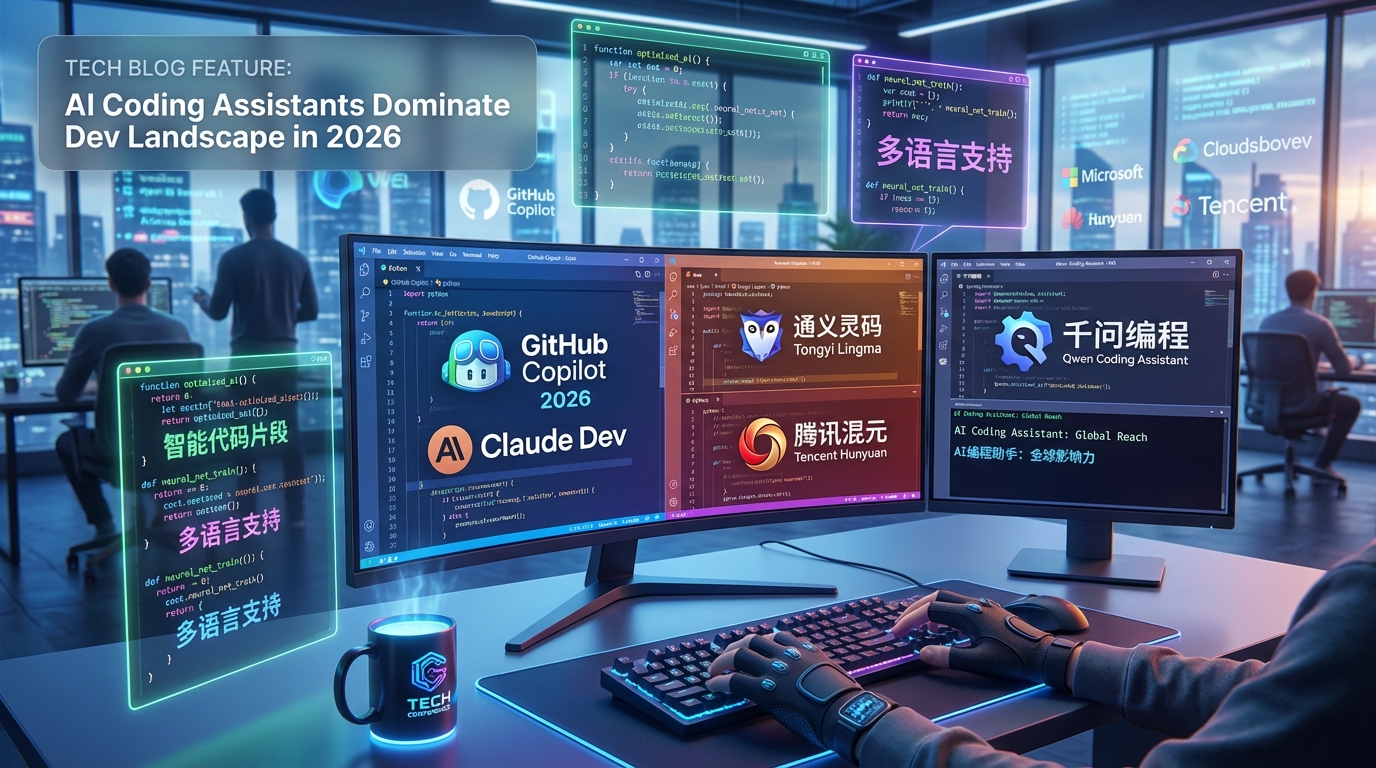
What to Do Next - Experiment with AI Coding Assistants: Explore tools like GitHub Copilot, Tabnine, and Codeium to experience the benefits of AI-powered code completion and generation firsthand.
- Investigate Agentic AI Platforms: Evaluate platforms like Gumloop, Moveworks, and UiPath to determine if they can help automate your development workflows and improve efficiency.
- Stay Informed: Keep up-to-date with the latest developments in AI coding assistants and agentic automation by following industry news, attending conferences, and participating in online communities.
- Upskill: Consider developing your skills in AI and machine learning to better understand how to leverage these technologies in your software development projects.
- Address Ethical Concerns: Proactively address the ethical implications of using AI in software development, including issues related to bias, fairness, and transparency.
Tags: #AI #ArtificialIntelligence #CodingAssistant #AICoding #SoftwareDevelopment #AITools #AIAgents #Automation #WorkflowAutomation #LLM #MachineLearning #AI2026 #Programming #NoCode #LowCode
Found this article helpful? Share it with others!
Quick AI FAQ
How does this AI development affect Malaysian businesses?
Local businesses can leverage these AI breakthroughs to automate repetitive tasks, improve customer engagement via smart chatbots, and scale content production with 80% lower costs.
Is it safe to integrate AI into existing workflows?
Yes, when implemented with professional oversight. We focus on secure, privacy-compliant AI integrations that align with Malaysia's PDPA regulations.
Where can I get help with AI implementation in Penang?
JOeve Smart Solutions provides on-site and remote AI consultation for SMEs in Penang and across Malaysia, specializing in web apps, chatbots, and video automation.